When do new brakes become necessary?
New
brakes become necessary when the braking system can no longer create smooth, reliable stopping power without excessive wear, noise, vibration, or warning signs. In many cases, the first issue is worn pads, but the condition of the brake pad and rotors together determines how well the vehicle actually stops. If your car is squealing, grinding, shaking, pulling, or taking longer to stop, it is time to have the system inspected before a small problem becomes a more expensive one.
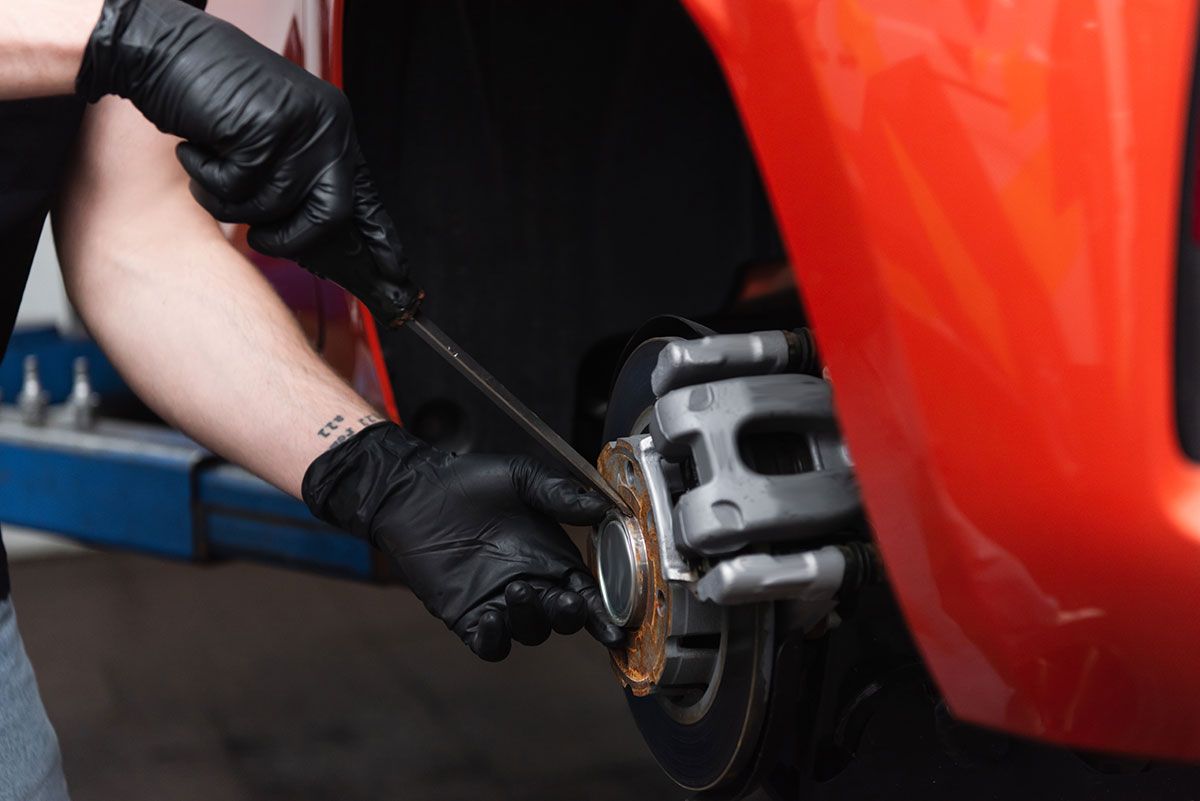
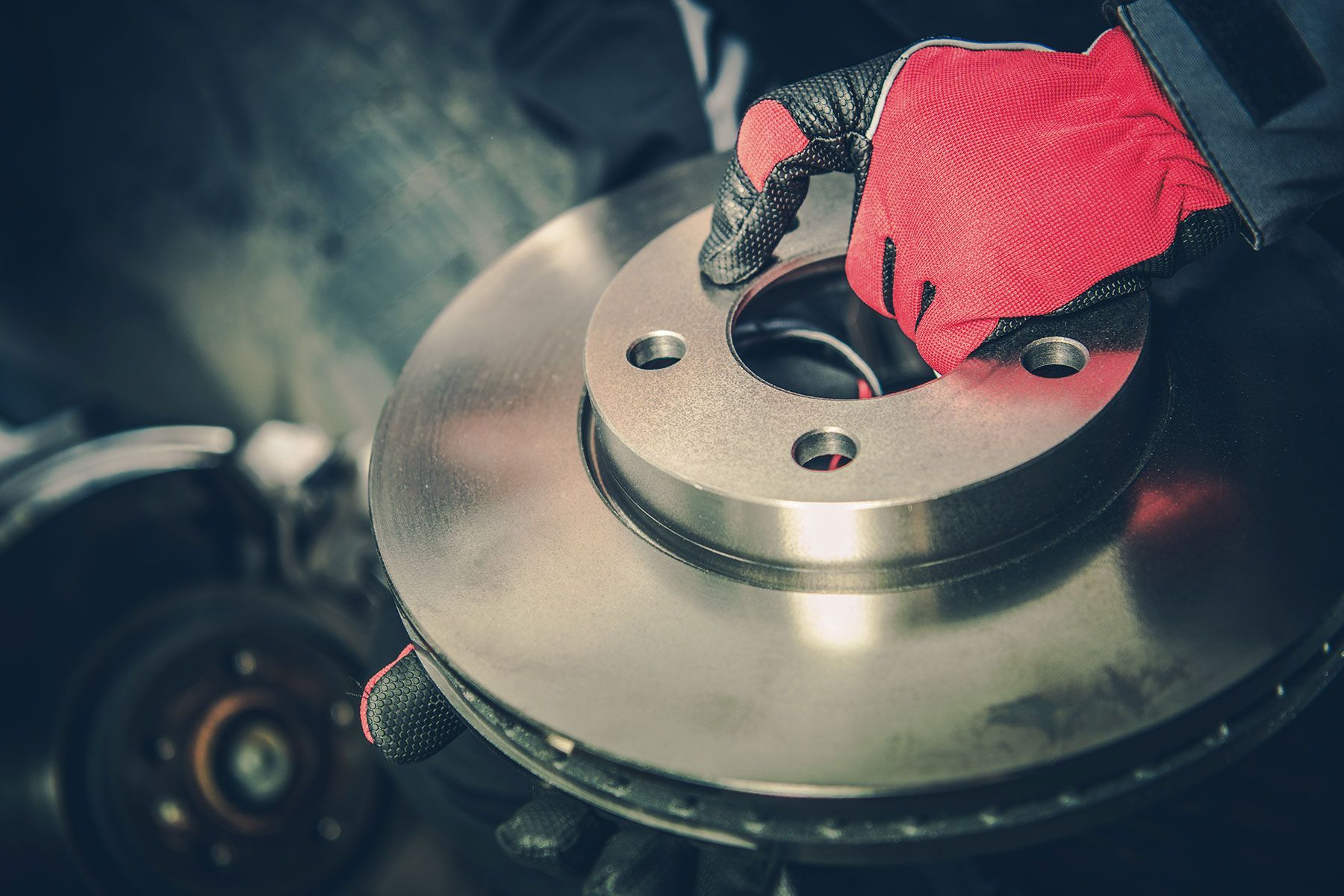
Brake pads are designed to wear down over time. Rotors are tougher, but they can still become grooved, warped, overheated, or too thin to perform safely. That is why the replacement of brake pads should never be viewed in isolation. A technician needs to look at pad thickness, rotor condition, calipers, brake fluid, and related hardware to understand what the vehicle truly needs.
The biggest safety benefit is predictable stopping power
The most important benefit of new brakes is consistency. When your braking system is in good condition, the vehicle responds the way you expect when you press the pedal. That matters during normal commutes, school drop-offs, highway traffic, and the split-second moments when another driver cuts in front of you.
Worn pads can reduce friction, which may increase stopping distance and make braking feel less controlled. Damaged rotors can create uneven contact, so the vehicle may shake, pulse, or feel unstable when slowing down. In wet, icy, hilly, or stop-and-go conditions, these issues become more noticeable and more stressful.
New brakes restore the surface contact your vehicle depends on. Fresh pads press against rotors more evenly, and properly serviced rotors help the system convert motion into stopping force without unnecessary vibration. The result is not just a quieter ride; it is a vehicle that feels more dependable when stopping matters most.
Clear signs your brake pads or rotors need attention
Brake problems often give you clues before they become urgent. Some signs are easy to dismiss, especially if the vehicle still stops, but waiting can allow damage to spread from inexpensive wear items to more costly components.
Watch for these warning signs:
- Squealing or high-pitched noise: Many pads include wear indicators that make noise when the pad material is getting low.
- Grinding sounds: A metal-on-metal sound can mean the pads are severely worn and may already be damaging the rotors.
- Vibration in the pedal or steering wheel: This may point to warped or uneven rotors, especially if it happens while braking.
- Longer stopping distance: If the car needs more room to stop, the brakes should be checked promptly.
- Soft or spongy pedal feel: This can indicate air, fluid issues, or another hydraulic system concern.
- Vehicle pulling to one side: Uneven braking may come from calipers, pads, rotors, tires, or suspension issues.
- Dashboard brake or ABS light: Warning lights should not be ignored, even if the vehicle seems normal.
- Visible wear: If the pad material looks very thin, an inspection can confirm whether service is due.
A quick inspection is far better than guessing. If you hear grinding or feel major vibration, avoid delaying service, because rotor damage can progress quickly once the pad material is gone.
New brakes can protect other parts of the system
A timely
brake change can help prevent a chain reaction of damage. Brake pads are meant to be the sacrificial part of the system. They wear down so more expensive components, such as rotors and calipers, are not forced to absorb damage they were not designed to handle.
When pads get too thin, heat builds faster and braking surfaces become less forgiving. The backing plate may contact the rotor, creating grooves and noise. If this continues, brake replacement rotors may become necessary instead of a simpler pad service. In severe cases, overheated or damaged parts can affect caliper movement, brake fluid condition, and overall system performance.
This is one reason routine inspections are valuable even when there is no dramatic symptom. A technician can identify uneven pad wear, rusted hardware, sticking calipers, or rotor surfaces that are nearing the point where replacement makes more sense than resurfacing. Catching these issues early helps you choose the right repair instead of being forced into a larger one later.
Should brake pads and rotors be replaced together?
Brake pads and rotors should be replaced together when the rotors are too worn, warped, deeply grooved, heat-damaged, or unable to provide a smooth surface for the new pads. If the rotors are still within safe specifications and their surface condition is good, pads alone may be enough. The right choice depends on inspection, measurements, vehicle design, driving habits, and the condition of the current brake pad and rotors as a matched set.
Replacing pads on poor rotors can lead to noise, vibration, uneven wear, and disappointing performance. New pads need a clean, stable surface to seat correctly. If the rotor surface is rough or uneven, the fresh pad material may not make consistent contact, which can shorten pad life and reduce braking comfort.
On the other hand, replacing rotors unnecessarily is not helpful either. A trustworthy inspection should explain what is worn, what is still serviceable, and why a specific repair is recommended. At BlueSky Tire and Auto, that kind of clarity helps drivers feel less uncertain about brake replacement rotors, pad service, and overall brake system care.
Everyday driving conditions affect brake life
There is no single mileage number that applies to every driver. Some brake pads may last around 30,000 miles, but real-world brake life depends heavily on how and where you drive. A vehicle used mostly for calm highway driving usually treats
brakes differently than one used in city traffic, hilly neighborhoods, towing, or frequent short trips.
In
Illinois, winter weather can add another layer of wear. Road salt, moisture, freezing temperatures, and pothole season can contribute to corrosion, hardware issues, and harsher driving conditions. Even if the pads still have material left, rust or uneven rotor surfaces can affect braking feel.
In
Georgia, heat, traffic, and long drives can create their own demands. Repeated braking in warm conditions can build heat, especially in heavier vehicles or during stop-and-go commutes. Heat does not automatically mean brake failure, but excessive heat over time can contribute to pad glazing, rotor issues, and fluid stress.
Driving style matters too. Hard braking, riding the brakes downhill, carrying heavy loads, or waiting until the last moment to slow down can wear pads faster. Smooth, early braking helps reduce heat and gives the brake system an easier job.
New brakes improve comfort, confidence, and control
Safety is the main reason to maintain brakes, but comfort matters too. A vehicle with healthy brakes feels calmer to drive. You are less likely to hear sharp squeals at every stop sign, feel pulsing through the pedal, or worry that a small symptom is about to become a major repair.
New brakes can also restore confidence after a period of uncertainty. Many drivers adjust to brake problems gradually without realizing it. They press harder, leave more room, or turn up the radio to ignore noise. Once the system is serviced, the difference can be obvious: smoother stops, better pedal response, and less stress in traffic.
That confidence is especially valuable for families, commuters, rideshare drivers, students, and anyone who depends on their vehicle every day. Brakes are not a luxury upgrade. They are a core safety system that affects every trip, no matter how short.
What should drivers expect during a brake inspection?
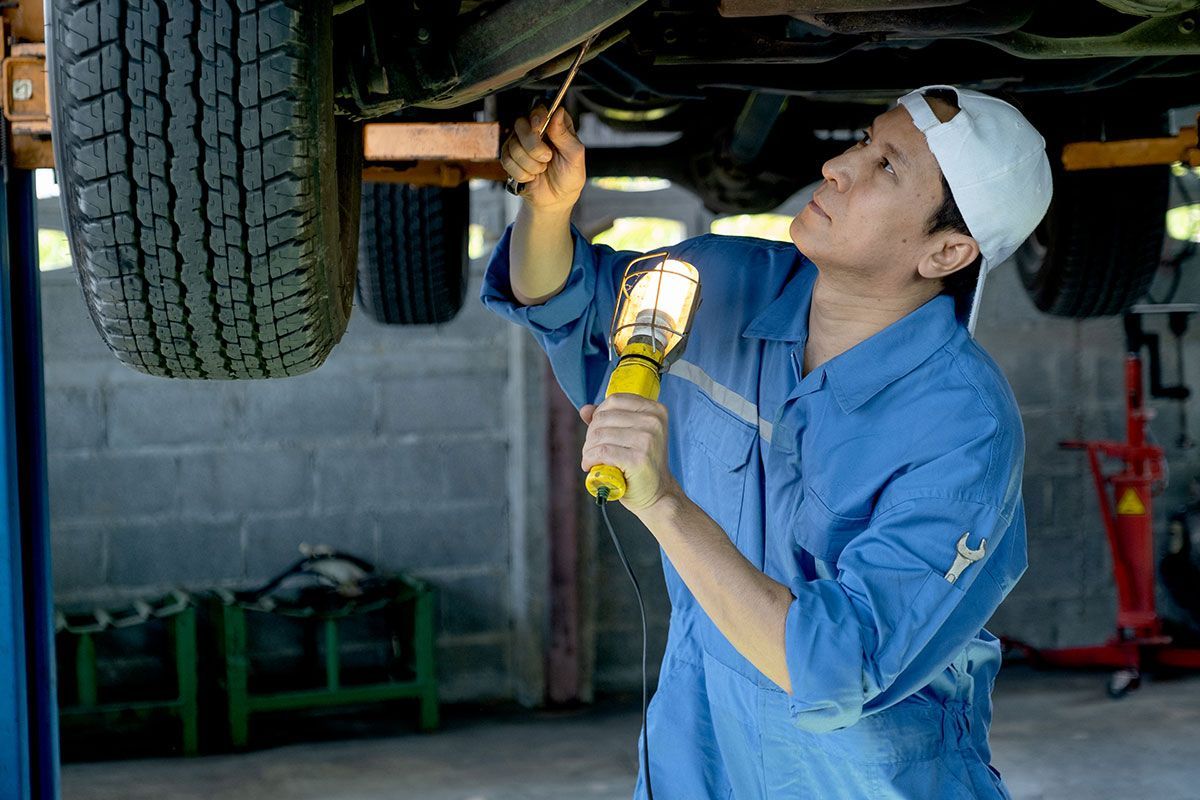
Drivers should expect a brake inspection to check more than just whether the pads are “good” or “bad.” A complete look at the system should consider pad thickness, rotor condition, caliper movement, brake lines, fluid concerns, hardware, warning lights, and any symptoms the driver has noticed. The goal is to identify the cause of the issue and recommend the level of service that restores safe, reliable braking.
A practical inspection may include:
- A conversation about symptoms such as noise, vibration, pulling, warning lights, or changes in pedal feel.
- A visual check of pads and rotors to look for thin material, grooves, rust, cracks, glazing, or uneven wear.
- Measurements when needed to determine whether rotors are thick enough and whether pads have enough life remaining.
- A look at related parts such as calipers, slides, clips, hoses, and brake fluid condition.
- A clear recommendation explaining whether you need pads, rotors, both, or further diagnosis.
This process helps separate normal wear from urgent problems. It also helps drivers avoid paying for guesswork.
Simple habits help brakes last longer
Good maintenance does not end after new brakes are installed. The way you drive and care for the vehicle can help pads and rotors wear more evenly. It can also reduce the chance of overheating, glazing, or premature rotor damage.
Use these habits to support longer brake life:
- Leave more following distance so you can brake gradually instead of suddenly.
- Avoid riding the brake pedal, especially on long downhill stretches.
- Slow down early when approaching traffic lights, exits, or turns.
- Keep tires properly maintained, because poor tire condition can affect braking stability.
- Address unusual sounds quickly instead of waiting for grinding.
- Follow any break-in guidance after a brake service so new pads and rotors can seat properly.
- Schedule inspections before long trips or after noticing major changes in braking feel.
Small habits add up. Even simple changes in following distance and braking smoothness can reduce heat and wear during everyday driving.
Cost is easier to manage when you act early
Brake repair costs can vary widely based on the vehicle, parts needed, labor, rotor condition, and whether other components are affected. A basic pad service is typically less involved than replacing pads, rotors, hardware, or calipers. That is why early attention matters: the sooner a worn pad is addressed, the better chance you have of avoiding unnecessary rotor damage.
Drivers often worry that any brake noise means a major repair. Sometimes it does not. But ignoring the noise is what raises the risk. If the pads are nearly gone, the rotor can become damaged quickly, turning a manageable repair into a larger brake replacement rotors job.
Rather than focusing only on the lowest immediate price, think about value. Properly selected parts, correct installation, and a complete inspection help protect safety and reduce repeat visits.
BlueSky Tire & Auto can help drivers in Illinois and Georgia understand what their vehicle needs without making the process feel mysterious.
The takeaway on new brakes
New brakes help your vehicle stop smoothly, respond predictably, and protect surrounding components from avoidable damage. They can reduce noise and vibration, improve driver confidence, and make daily travel feel safer in changing road and weather conditions. The key is to treat brake symptoms as useful warnings, not annoyances to ignore.
If your vehicle squeals, grinds, shakes, pulls, or feels different when stopping, schedule an inspection before the problem gets worse. A professional look at your brake pad and rotors can tell you whether you need the replacement of brake pads, rotor service, or a more complete brake change. With the right care, your brakes can do exactly what they are designed to do: help you stop safely when it counts.