Diagnosing by Timing: When Does the Shake Happen?
The first step in fixing a car issue is paying attention to exactly
when the problem occurs. The timing of the vibration is the biggest clue your car can give you.
Vibrations While Braking
If you are asking yourself, "why does the car shake when applying brakes?", the answer almost always lies in your
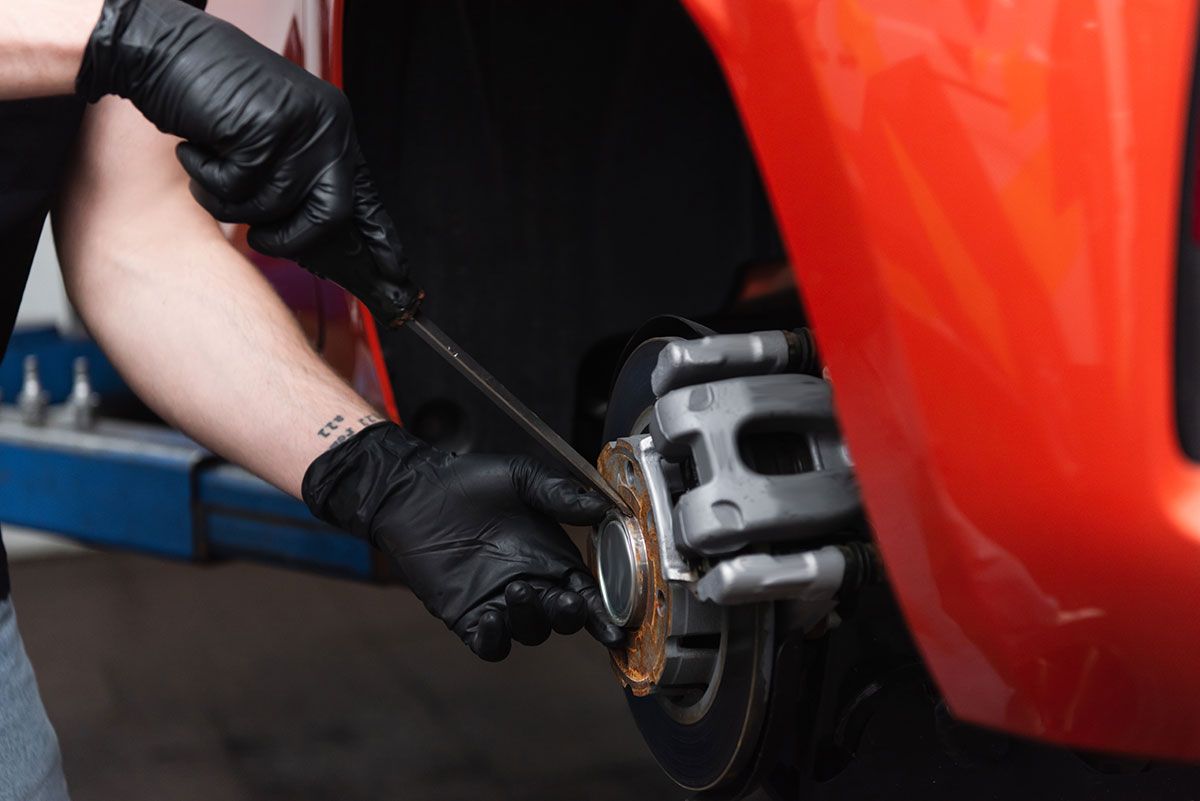
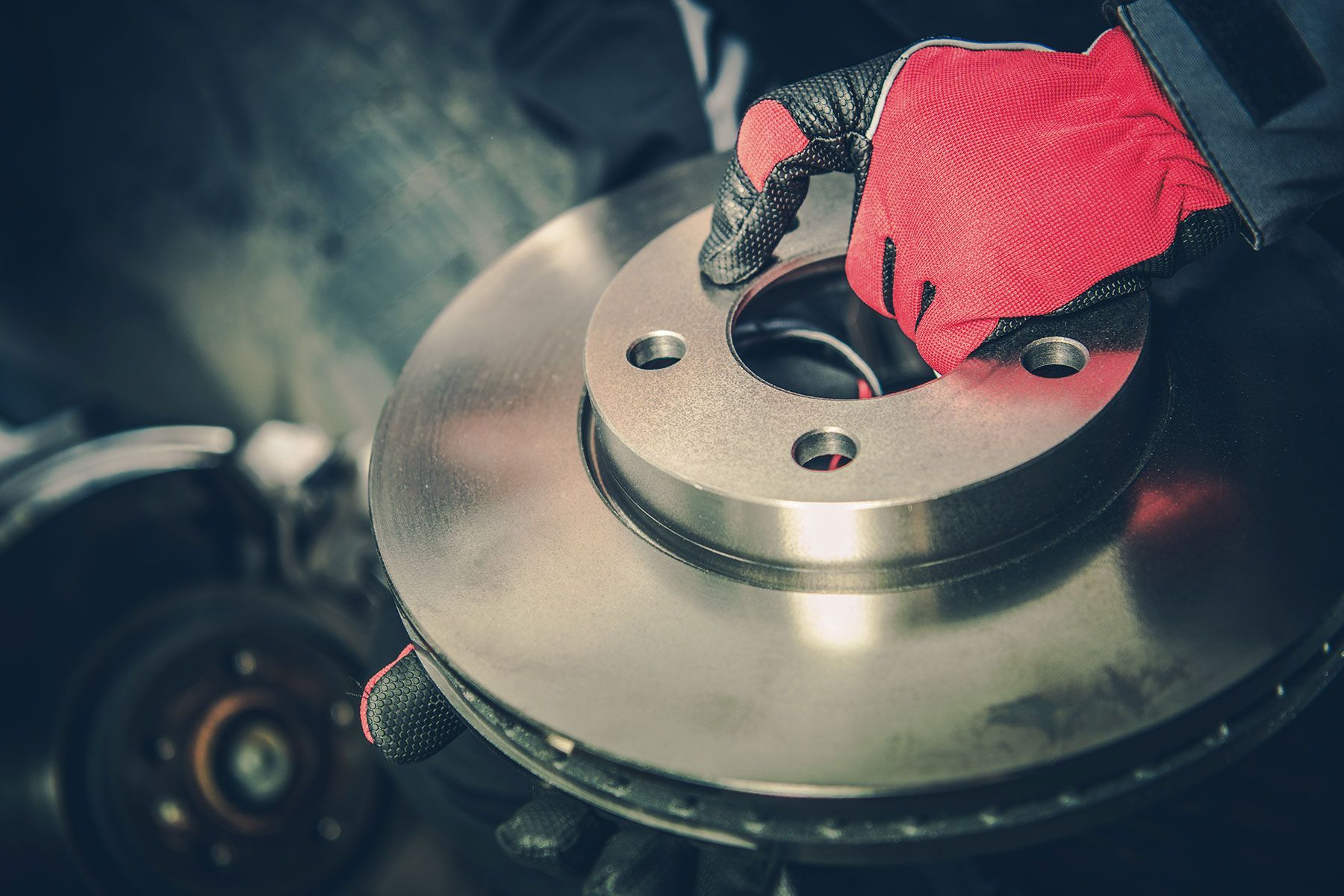
braking system. Over time, the intense heat generated by stopping your car can cause your brake rotors—the metal discs your brake pads clamp down on—to warp or develop an uneven thickness.
When you press the brake pedal, the brake pads squeeze against this uneven surface, causing the brake calipers to bounce. This bouncing transfers directly through your steering linkage and right into your hands. If you experience car shaking while braking, warped rotors are the primary suspect.
Vibrations at High Speeds
Perhaps you are wondering, "why does my wheel shake when i drive normally?" If the trembling only becomes apparent when you merge onto the freeway, you are likely dealing with a tire or wheel imbalance.
Usually, a wheel shakes at high speeds—specifically in the 50 to 70 mph range—because the weight of the tire and wheel assembly is not evenly distributed. Even a weight imbalance of half an ounce is enough to cause a severe steering wheel shimmy at highway speeds. We will dive deeper into tire balancing in the next section, but know that speed-dependent vibrations are almost exclusively related to rotating masses.
Vibrations While Idling or Accelerating
What if you aren't moving at all? If you feel excessive vibration through the steering column at idle, the issue is not your tires or brakes. Instead, it is highly likely that your engine mounts or transmission mounts are worn out. These mounts act as cushions that absorb the engine's natural vibrations. When they fail, the engine's rumble transfers directly into the cabin.
Conversely, if you feel a shudder specifically when pressing the gas pedal, you should look into damaged cv axle symptoms while accelerating. The Constant Velocity (CV) axle transfers power from the transmission to your wheels. If the inner CV joint is damaged or has lost its lubricating grease, it binds up and causes a noticeable side-to-side shake under heavy acceleration.
Tires and Wheels: The Most Common Culprits
When diagnosing a trembling steering wheel, mechanics will almost always look at the wheels and tires first. They are the only parts of your vehicle that make contact with the road.
Alignment vs. Balancing
Many drivers confuse
tire balancing with
wheel alignment. Understanding the symptoms of unbalanced tires vs bad alignment will save you a lot of diagnostic time.
- Unbalanced Tires: Cause wheel shaking, vibrations in the steering wheel, or seat shaking at specific speeds.
- Bad Alignment: Causes your steering wheel to be off-center and makes the car pull to the left or right. Alignment rarely causes vibrations unless it is so poor that it causes rapid, uneven tire wear (cupping), which
then causes a vibration.
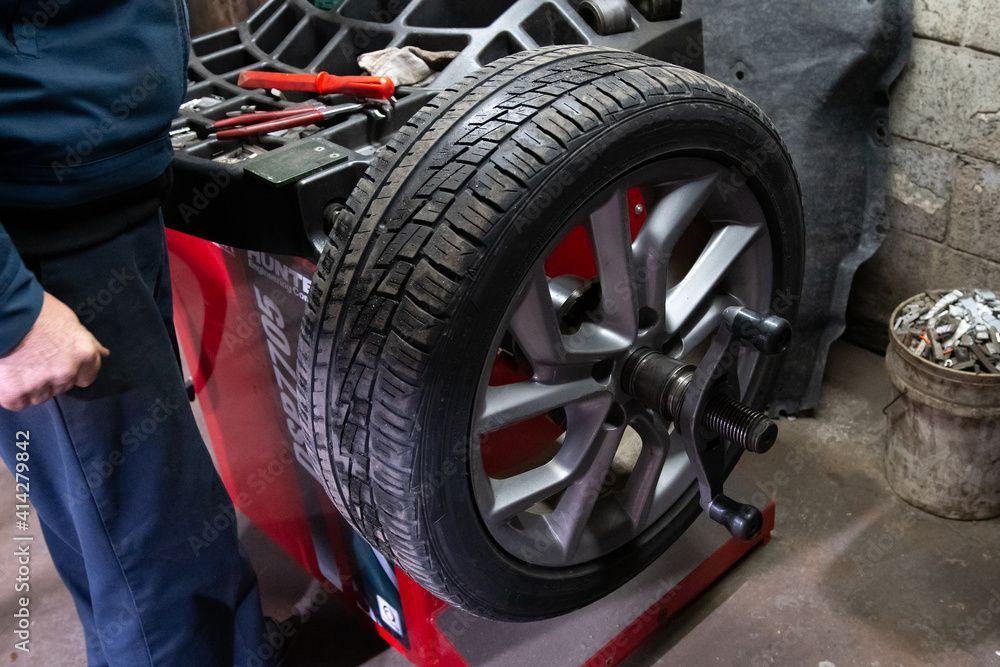
If you have tried standard balancing but the vibration persists, you might need to understand the difference between road force balancing and standard balancing. Standard balancing simply spins the tire in the air to find weight imbalances. Road force balancing, however, presses a large roller against the tire as it spins to simulate the weight of the vehicle on the road. This advanced machine detects internal tire stiffness and wheel defects that standard balancers miss entirely.
Rims and Lug Nuts
Potholes are the natural enemy of a smooth ride. Hitting a deep pothole can easily bend a wheel. Identifying a bent rim versus tire flat spots is critical here. Tire flat spots usually occur when a car sits parked for weeks, or after extremely hard panic braking. Flat spots often smooth out after a few miles of driving as the rubber warms up. A bent rim, however, is permanent damage that will cause a constant, rhythmic vibration regardless of tire temperature.
Finally, do not overlook the simplest of issues: loose lug nuts. The consequences of loose wheel lug nuts are catastrophic. If the nuts holding your wheel to the hub are not torqued to the manufacturer's specifications, the wheel will wobble on the hub. If ignored, the wheel studs will shear off, and the wheel will detach from the vehicle while driving. Always check your lug nuts if a sudden, violent vibration begins.
Suspension and Steering: The Hidden Dangers
If your wheels, tires, and
brakes are in perfect condition, the root of your problem likely resides in the
suspension or steering linkages.
Wheel Bearings and Tie Rods
Your wheel bearings allow your wheels to spin freely with minimal friction. However, they wear out over time. The classic signs of a failing wheel bearing include a low-pitched humming or roaring noise that gets louder as you speed up, accompanied by a trembling steering wheel or a loose feeling when turning.
Equally critical are your tie rod ends, which connect your steering rack to the steering knuckle. They are the parts that actually push and pull your front wheels when you turn the steering wheel. The dangerous effects of worn tie rod ends cannot be overstated. If a tie rod develops too much "play" or looseness, the wheel can shimmy left and right independently of your steering input. If a tie rod snaps while driving, you will instantly lose the ability to steer that wheel, leading to an immediate loss of control.
Shocks, Struts, and Suspension
Your
suspension dampers do more than just make the ride comfortable; they keep your tires firmly planted on the pavement. Understanding how worn shocks and struts affect steering stability is vital. When shocks fail, they allow the tire to literally bounce up and down off the road surface after hitting a bump. This bouncing drastically reduces your tire's contact patch, causing erratic steering feel and transferring vibrations up the steering column.
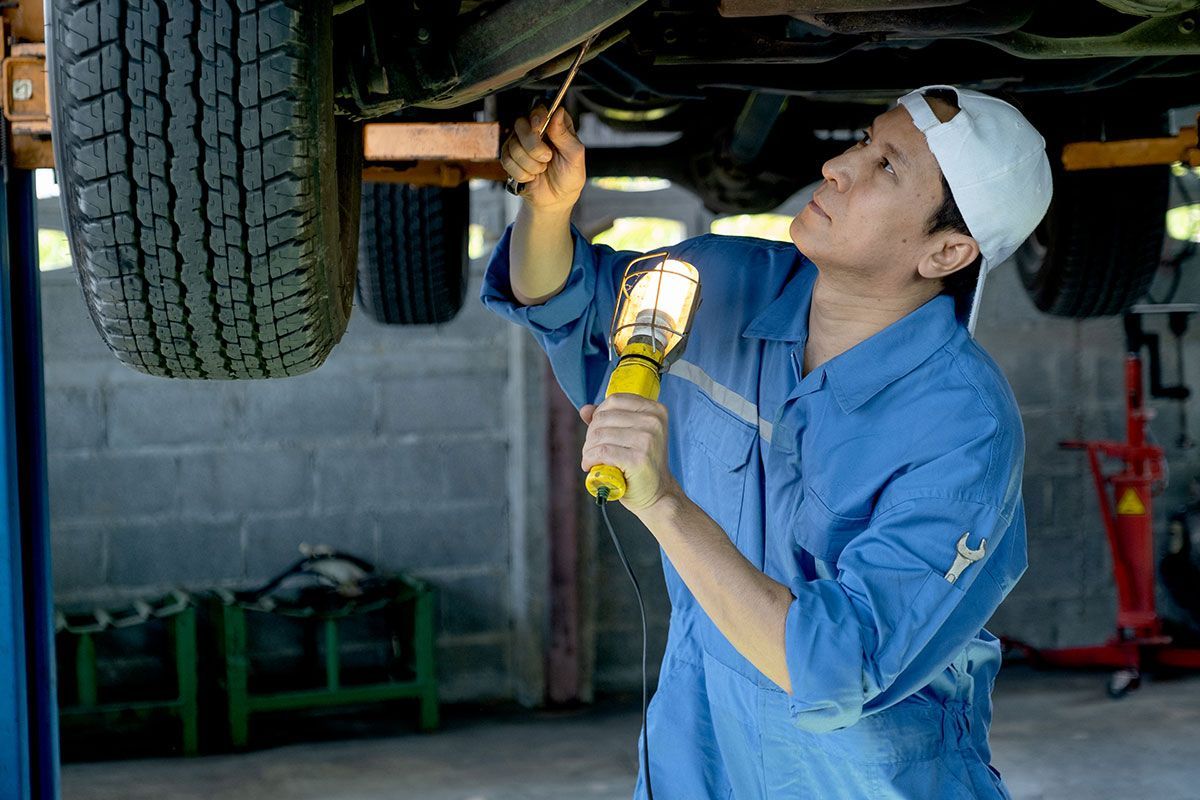
If you suspect a suspension issue, knowing how to check front suspension components for play is a valuable DIY skill.
- Safely jack up the front of your car and support it with jack stands.
- Grasp the tire firmly at the 9 o'clock and 3 o'clock positions. Try to wiggle it side to side. Excessive clicking or movement here indicates a bad tie rod.
- Move your hands to the 12 o'clock and 6 o'clock positions and push back and forth. Movement here strongly points to a failing wheel bearing or a bad ball joint.
Step-by-Step Vehicle Vibration Diagnostic Guide
To make troubleshooting easier, follow this step-by-step vehicle vibration diagnostic guide to pinpoint your problem:
Does it happen only when braking?
Yes: Inspect brake rotors for warping and pads for uneven wear.
Does it happen while accelerating?
Yes: Check inner CV joints for torn boots or binding, and inspect engine mounts.
Does it happen at specific high speeds (e.g., 60 mph)?
Yes: Have your wheels inspected for bent rims, check tire pressure, and get a road force balance.
Does it happen at idle while parked?
Yes: Inspect engine and transmission mounts.
Is there a humming noise that changes when turning?
Yes: Perform the 12-and-6 o'clock shake test to check for a bad wheel bearing.
Does the steering feel loose and wander over bumps?
Yes: Perform the 9-and-3 o'clock shake test to check tie rods, and inspect shocks/struts for fluid leaks.
The Safety Risks of Ignoring the Shake
Many drivers try to live with a vibrating steering wheel to save money, but the safety risks of driving with front end vibration are severe.
First, vibration is literally the physical manifestation of parts violently oscillating against one another. This causes a cascading failure effect. A slightly unbalanced tire will eventually destroy a wheel bearing. A bad wheel bearing will accelerate the wear on your tie rods and ball joints. What started as a cheap $20 tire balancing job can quickly turn into a $1,000 suspension rebuild.
More importantly, a vibration reduces your vehicle's safety parameters. Bouncing or vibrating tires have less grip, meaning your braking distance significantly increases in an emergency. Furthermore, if the vibration is caused by failing suspension components, a complete mechanical failure at highway speeds could result in a devastating accident.
Conclusion
A trembling steering wheel is the dashboard warning light you feel rather than see. Whether your issue is a simple matter of unbalanced tires, warped brake rotors, or severe suspension wear, the key is to address it promptly.
By paying attention to exactly when the shaking occurs, whether at high speeds, while braking, or at idle. You can narrow down the culprits and communicate effectively with your mechanic. Never accept a driving wheel shaking as a "normal" quirk of an aging car. Diagnose the issue, replace the worn parts, and restore the smooth, safe ride that you and your passengers deserve.