How to Choose AC Repair in 2026

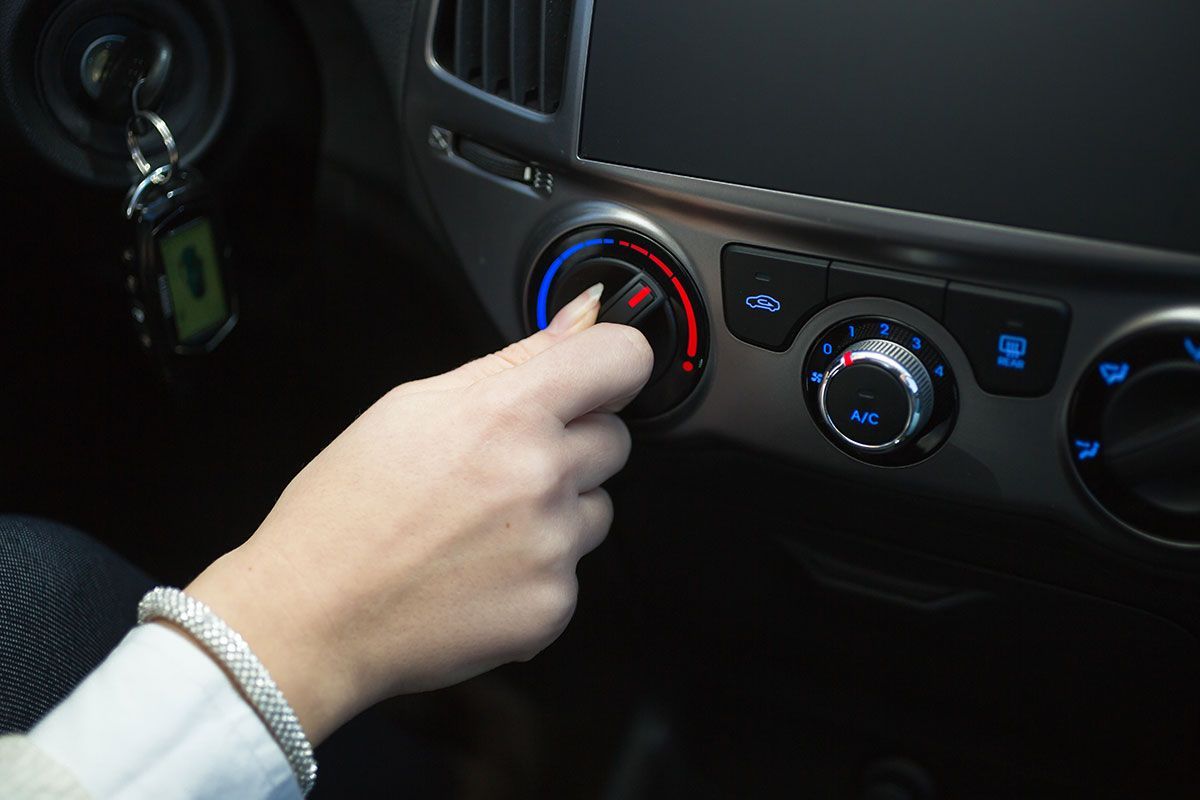
AC repair restores a vehicle’s ability to cool and dehumidify the cabin. It may involve diagnosing refrigerant leaks, compressor problems, electrical faults, blocked condensers, or failed blower components. Drivers in Illinois and Georgia should schedule professional AC repair when airflow is weak, air stays warm, unusual noises occur, or the system repeatedly loses its charge.
What Are the Signs Your Car Needs AC Repair?
Your car’s air conditioner can gradually lose performance, or it can stop working without warning. Common signs that indicate a diagnosis is needed include:
- Warm air from the vents: The system may have low refrigerant, a compressor fault, or a blend door problem.
- Weak airflow: A clogged cabin air filter, damaged blower motor, or blocked evaporator can restrict air movement.
- Strange sounds: Grinding, squealing, or rattling may point to a worn compressor, pulley, belt, or internal component.
- Unusual odors: Musty smells often come from moisture, mold, or debris around the cabin filter and evaporator.
- Water or refrigerant concerns: Water under the vehicle can be normal condensation, but oily residue or repeated loss of cooling requires inspection.
A small change in cooling performance is worth checking before the problem becomes more expensive. You can also review our car care tips for practical maintenance guidance.
How Does a Car Air Conditioning System Work?
A vehicle AC system moves refrigerant through several connected components. The compressor pressurizes the refrigerant, the condenser releases heat, and the expansion device lowers pressure before the refrigerant enters the evaporator. The evaporator absorbs heat from cabin air, allowing cool air to reach the vents.
The system also depends on electrical controls, relays, sensors, belts, fans, hoses, seals, and the blower motor. A fault in one part can affect the entire system. That is why adding refrigerant without identifying the underlying cause may provide only temporary relief.
Why Is My Car AC Blowing Warm Air?
Warm air may result from low refrigerant, a refrigerant leak, a failed compressor clutch, a blocked condenser, a faulty pressure sensor, or a blend door that is not moving correctly. The exact cause cannot be confirmed by temperature alone. A professional technician should test system pressures, inspect components, and check electrical operation.
What Does AC Repair Usually Include?
A proper AC repair visit should begin with diagnosis rather than guesswork. Depending on the symptoms, service may include:
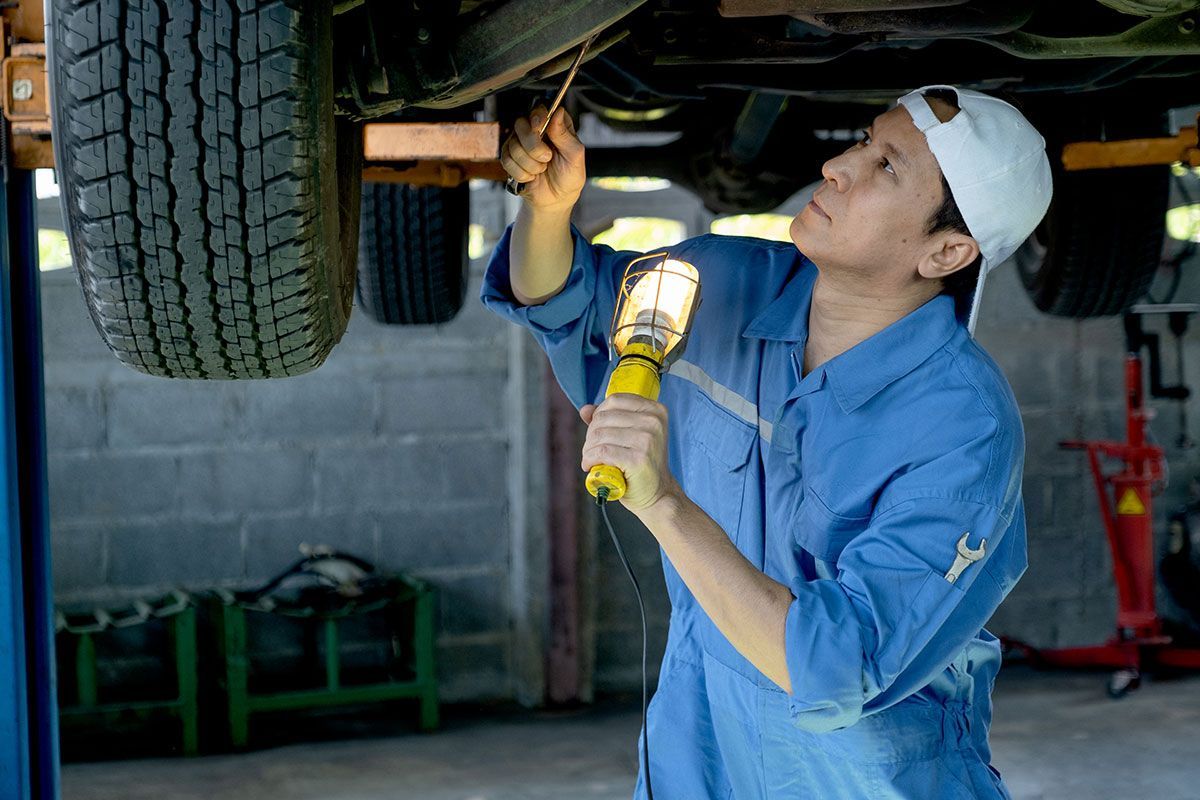
- Visual inspection: The technician checks hoses, belts, fittings, wiring, condenser fins, and visible signs of damage.
- Performance testing: Vent temperature, system pressures, and blower operation help identify how the system is behaving.
- Leak inspection: Specialized equipment may help locate leaks in hoses, seals, the condenser, evaporator, or other connections.
- Electrical testing: Fuses, relays, switches, sensors, and compressor controls are checked when the system does not engage.
- Repair or replacement: The failed component is repaired or replaced according to the vehicle’s needs.
- System verification: The system is tested after service to confirm cooling, airflow, and reliable operation.
The recommended repair depends on the vehicle, the failed part, refrigerant type, system condition, and whether previous work introduced contamination or damage.
How Much Does Car AC Repair Cost?
Car AC repair costs vary widely because “AC repair” can describe anything from a small electrical fix to compressor replacement. The final price depends on:
- The vehicle’s make, model, and system design
- Whether the issue is a leak, electrical fault, airflow restriction, or mechanical failure
- The accessibility of the failed component
- Required refrigerant and replacement parts
- Whether the system needs recovery, evacuation, vacuum testing, and recharge
A simple diagnosis or control repair is generally less involved than replacing an evaporator or compressor. Ask for a clear explanation of the cause, recommended repair, parts, labor, and any warranty coverage before approving work. Blue Sky Tire and Auto’s services page provides an overview of available automotive care.
Can You Drive With a Broken Car AC?
You can often drive with an AC system that is not cooling, but the vehicle should be inspected if the problem involves unusual noises, a damaged belt, overheating, electrical smells, or fluid leaks. Some compressor failures can affect the belt system or create debris that damages other components.
Driving without AC can also reduce comfort and visibility. In humid weather, the air conditioner helps remove moisture from the cabin and can support windshield defogging. If the defroster is not working effectively, arrange service promptly.
How Can You Prevent AC Problems?
Regular use and routine inspections can help identify small issues before they become major repairs. Helpful habits include:
- Run the AC periodically, even during cooler months, to circulate lubricant through the system.
- Replace the cabin air filter according to the vehicle manufacturer’s schedule.
- Keep the front of the condenser clear of leaves, dirt, and road debris.
- Pay attention to changes in cooling, airflow, odors, and operating sounds.
- Have the system inspected if it needs frequent recharging.
Refrigerant is not a normal consumable like engine oil. If the charge repeatedly becomes low, the system likely has a leak that should be located and repaired.
Where Can You Get AC Repair in Illinois and Georgia?
Blue Sky Tire and Auto serves drivers seeking auto repair in Glenview and Highland Park, Illinois, as well as Braselton, Flowery Branch, Cumming, and Crawford, Georgia. Experienced ASE certified technicians can help diagnose vehicle cooling concerns and recommend service based on the vehicle’s condition.
Choose the location that is most convenient for you:
If you are also preparing for seasonal driving, explore available tire services or current coupons . A complete vehicle inspection can help address related maintenance needs during the same visit.
Questions to Ask an AC Repair Shop
Before authorizing work, ask these practical questions:
- What caused the AC problem?
- Did you find a refrigerant leak, and where is it located?
- Which components need repair or replacement?
- Is the proposed service a temporary recharge or a complete repair?
- What parts and labor are included in the estimate?
- Is the work covered by a warranty?
A trustworthy shop should explain the diagnosis in plain language, distinguish urgent repairs from optional recommendations, and provide an estimate before beginning additional work. You can review customer experiences on the reviews page and learn more about shop coverage through the warranty information.
What Should You Do If Your AC Stops Cooling?
First, check whether the vents are blowing air and whether the issue occurs in every fan setting. Do not continue operating the system if you hear grinding or smell burning. Schedule an inspection and describe when the problem started, whether cooling is intermittent, and whether any recent repairs were performed.
Final Takeaways
Effective AC repair begins with accurate diagnosis. Warm air, weak airflow, unusual noises, odors, and repeated refrigerant loss are signs that your vehicle needs attention. The problem may involve refrigerant, leaks, electrical controls, airflow components, or the compressor, so a recharge alone is not always the solution. Drivers in Glenview, Highland Park, Braselton, Cumming, Crawford, and nearby communities can have their vehicle evaluated by experienced ASE certified technicians at Blue Sky Tire and Auto. If your air conditioner is not keeping you comfortable or helping clear the windshield, schedule air conditioning repair and get a clear recommendation before the issue worsens.
For dependable AC repair in Illinois or Georgia, contact Blue Sky Tire and Auto to arrange an appointment. Use the appointments page to request service at a convenient location.
We’ve got all your automotive repair needs covered.